

Welcome to Cric Zone 360
India vs Pakistan Boycott Controversy – T20 WC Feb 15, 2026
At the 2026 Men’s T20 World Cup, things got wild when Pakistan said they wouldn’t play their big match against India on February 15. It shocked everyone because it was the first time Pakistan had refused to play India in a big tournament after already getting in.
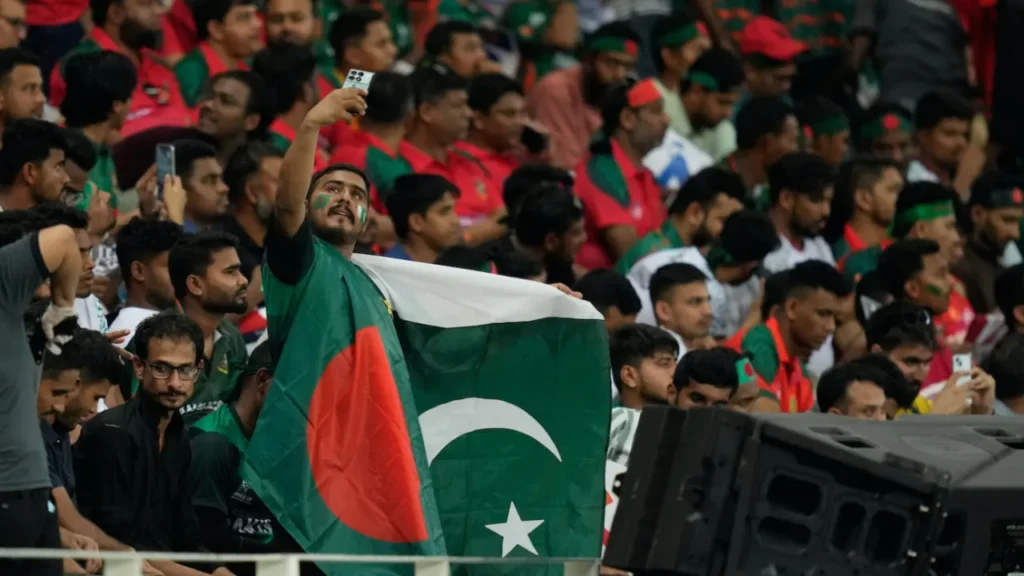
Pakistan’s Prime Minister, Shehbaz Sharif, explained that they were standing with Bangladesh, who’d been kicked out of the tournament in a controversial move. It started as a vague political thing but quickly became a huge debate in cricket.
Prime Minister Sharif Speaks Up
For days, people wondered why Pakistan wasn’t playing India, but no one said anything official. Then, Prime Minister Sharif told his cabinet that the boycott was on purpose and meant to make a statement.
Sharif said Pakistan thought politics shouldn’t mess with sports, but then said the boycott was a protest against what they saw as unfair treatment by the ICC. He said it was all about supporting Bangladesh after they were taken out of the tournament.
Bangladesh Gets the Boot
It all started when Bangladesh’s government wouldn’t let their team go to India for the World Cup because of security stuff. Bangladesh suggested playing in Sri Lanka, which was hosting some games anyway.
But the ICC voted to replace Bangladesh with Scotland. Pakistan and Bangladesh were the only ones who voted against it, which showed some big problems in how international cricket is run.
PCB Keeps Quiet, ICC Warns
The Pakistan Cricket Board (PCB) didn’t say anything publicly, but their position was obvious because of what the government said. The ICC quickly warned the PCB that there would be problems for Pakistan cricket and the whole sport.
The ICC said it was important to protect everyone involved and told Pakistan to try to work things out. But since the ICC and PCB weren’t talking directly, it just made things more confusing.
Accusations of Being Unfair
Mohsin Naqvi, who’s in charge of the PCB and also Pakistan’s interior minister, said the ICC was being unfair. He brought up that India wouldn’t tour Pakistan for the 2025 Champions Trophy, saying some countries get special treatment.
People in Pakistan agreed, saying Bangladesh was being punished when others weren’t in similar situations.
How It Messed Up the World Cup
The India vs Pakistan game is usually the most watched in cricket. Not having it in the 2026 World Cup hurt things financially, competitively, and emotionally.
TV stations, sponsors, and fans were all bummed, and fewer people bought tickets or watched on TV. India got points for the game they didn’t play, which changed how the group standings looked.
Achievements Take a Backseat
Pakistan had a good team with players like Babar Azam, Shaheen Shah Afridi, and Shadab Khan for the 2026 World Cup. They’d been doing well in T20 cricket, so people thought they’d go far in the tournament.
But the boycott took the attention away from the cricket and put it on politics instead. The players didn’t say anything, stuck between their country and their careers.
Players Stuck in the Middle
The boycott was frustrating for players on both teams. They train for years to play in World Cup games, especially the big ones that can make their careers.
The Indian players didn’t get to play a tough game against their rivals, and the Pakistani players missed a chance to show what they could do. It can be tough emotionally and professionally when stuff like this happens.
My Two Cents
I think Pakistan’s decision shows they stand for something, but it also shows how much politics and cricket are mixed up, which is bad for players and fans. The boycott might send a message, but it makes the World Cup less fair because games should be decided on the field.
What’s Next for Pakistan?
Pakistan will probably try to take out their frustration on their other opponents. Babar Azam will likely be a key player, and Shaheen Afridi’s bowling could be a big deal.
Shadab Khan and Abrar Ahmed will be important on surfaces that favor spin bowling, and young players like Saim Ayub might get bigger roles as Pakistan changes their game plan after the boycott.
What’s Next for India?
India will keep going, though not playing a tough game against Pakistan might affect them. Players like Suryakumar Yadav and Jasprit Bumrah will still be important.
The points they got without playing might help India get to the next round, but it’s up in the air. Questions will remain as to whether they’re ready for the pressure of the knockout stage without facing their biggest rivals.
Final Thoughts on the Boycott
The India vs Pakistan boycott will be remembered as a big moment in cricket politics. Though it was supposed to support Bangladesh, it showed some issues and power imbalance within the ICC and the lack of fair rules.
As the tournament continues, cricket will try to get back to the main event. But this shows that until things are more fair and clear, the sport will keep competing. Something similar to other forces that have little to no impact on the game itself.
Cric Zone 360
Hamza Imran
Stay informed with the latest, most reliable news and updates—fresh on our site.
Sign up to get Latest Updates
Sign up to receive the latest news, updates, and insights directly to your inbox.