

Welcome to Cric Zone 360
Pakistan Delay T20 World Cup Decision as ICC Controversy Deepens
Whether Pakistan plays in the T20 World Cup in 2026 is a huge deal in cricket right now. It should just be about getting ready for the games, but it’s all mixed up with cricket, politics, and how things are run. The PCB head, Mohsin Naqvi, said they’ll decide by February 2, and everyone—fans, players, and experts—is waiting to know.
It’s not just about Pakistan being there. It’s about being fair, doing things the same way for everyone, and how the ICC deals with tricky political stuff. Pakistan’s first game is just days after the decision, which makes everyone even more stressed.
Meeting With the Prime Minister and Government’s Role
When Mohsin Naqvi met with Prime Minister Shehbaz Sharif, it showed how serious things are. The PCB said this isn’t just about cricket anymore. The government is getting involved because Pakistan wants to think about all the bad things that could happen before they say yes for sure.
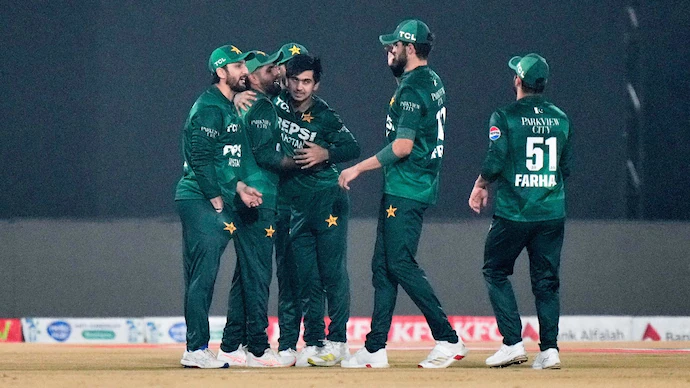
After the meeting, Naqvi said they’re still thinking about everything. They could play fully, play but complain about something, or do some small protest during the tournament. Even though they’re not sure what’s happening, Pakistan named its team, which shows they’re getting ready to play, even if the bosses haven’t decided yet.
ICC Decision on Bangladesh Sparks Major Controversy
The trouble started when the ICC kicked Bangladesh out of the T20 World Cup because they didn’t want to go to India because they were worried about safety. Bangladesh wanted to play somewhere else, like Pakistan gets to do, but the ICC said no and picked Scotland instead.
This made people angry, especially the PCB. Mohsin Naqvi said the ICC was treating people differently, which he thought was unfair. He said if one country can avoid traveling but another can’t, that’s not fair to anyone.
Pakistan was the only group that said they supported Bangladesh, showing they want all cricket countries to be treated the same.
Pakistan’s Stand on Fairness and Equality
Pakistan’s point is easy to understand. If Pakistan can play in Sri Lanka because they’re concerned about safety, Bangladesh should get the same chance. The PCB thinks Bangladesh is a big cricket country and should have been helped, not kicked out.
By supporting Bangladesh, Pakistan is acting like they’re protecting the smaller cricket groups that might have problems. Some people think this is good, but others think cricket and politics shouldn’t mix.
Tight Timeline and Tournament Pressure
The timing is a big problem. Pakistan’s first T20 World Cup game is on February 7, just a few days after the PCB is supposed to decide. Deciding so late could mess up the team’s plans and make the players nervous.
But Pakistan naming their team makes it seem like they think they’ll play somehow. The people picking the team and the coaches are focused on playing well and letting the bosses and government handle the politics.
Possible Scenarios for Pakistan at the T20 World Cup
Not playing at all isn’t the only thing they’re talking about. People think Pakistan might do something smaller to show they’re not happy. They might not play the big game against India on February 15 in Colombo.
That would show they’re serious without dropping out of the whole competition. It would fit with Pakistan’s idea of protesting while still playing cricket.
Financial and Cricketing Stakes Involved
The India–Pakistan game makes the most money in cricket. TV, sponsors, and the ICC really want people all over the world to watch it. If that game doesn’t happen, it would cost a lot of money.
Pakistan also knows that not playing at all could cause problems for a long time. People are saying the BCCI might talk to the ICC if Pakistan quits, which could get Pakistan in trouble. It could hurt their cricket standing and even hurt leagues like the PSL.
Achievements and Recent Performances Keep Focus on Cricket
Even with all the arguing, Pakistan’s cricket team has been doing well. They’ve played well in the ICC events recently, with young players doing great and older players keeping things steady.
Naming the T20 World Cup team shows they think the team is good overall. Pakistan can play well even when they’re under pressure, so they’re one of the most surprising teams in cricket.
My Opinions
I’ve been watching this closely, and I think Pakistan could really shake things up in this tournament, both on the field and off. Some people say Pakistan shouldn’t play, but I think they will.
Not playing would hurt Pakistan the most. It could mess up the team, hurt their reputation, and get them in trouble with the ICC. It could also hurt the PSL, which Pakistan doesn’t want.
But I think the most likely thing that could happen is that Pakistan might not play in the India game. That would be a huge surprise. The India–Pakistan game makes a ton of money, and if Pakistan doesn’t play that one game, it would really hurt the viewership and earnings. But the ICC can’t ban a team for not playing one game, because teams are allowed to do that.
I think this could be Pakistan’s plan. It shows they’re serious without quitting the whole tournament. Since Pakistan and India have had some political problems recently, this seems more likely than not playing at all.
Predictions for Pakistan’s Next Matches and Key Players
Looking ahead, how well Pakistan plays will depend on how fast the team can get back to thinking about cricket. Players like Babar Azam, Mohammad Rizwan, and Shaheen Shah Afridi will need to start strong. Some of the younger players could also do some amazing things, especially in tough games.
If Pakistan plays well in their first games, they could go far in the tournament. Their bowlers, in particular, could cause even the best batters some real problems.
Final Remarks
This isn’t just about saying yes or no to playing in the tournament. It’s about bigger problems like fairness and doing things the same way in cricket. Pakistan’s actions have shown some problems in how the ICC makes decisions, but it’s also put Pakistan under a lot of pressure.
In the end, Pakistan will likely play in the T20 World Cup, but they’re going to let everyone know how they feel. They might do it by talking, protesting a little, or playing well on the field. Whatever they do, Pakistan could really change the story of this tournament.
One thing’s for sure: whatever happens, whether Pakistan plays or what they do, it’s going to be one of the most talked-about things at the T20 World Cup 2026.
Cric Zone 360

Hamza Imran
Stay informed with the latest, most reliable news and updates—fresh on our site.
Sign up to get Latest Updates
Sign up to receive the latest news, updates, and insights directly to your inbox.